
Peptide Therapy in Beverly Hills | Dr. Daniel Ghiyam, MD
Precision Peptide Protocols
Peptide therapy is one of the most clinically promising tools in longevity medicine. It is also one of the most misused. At MedPodLA, every peptide protocol is physician-designed, lab-informed, and monitored longitudinally by Dr. Daniel Ghiyam, MD, because the difference between a protocol that works and one that doesn’t is almost always the physician behind it.
What peptides actually do
Peptides function as signaling molecules. Your body produces them naturally throughout life, and their role in biological regulation is an active area of clinical research. As part of a comprehensive evaluation, Dr. Ghiyam reviews whether targeted peptide support is appropriate for your specific clinical picture.
As you age, peptide signaling declines. The downstream effects are ones most patients know well: slower recovery, disrupted sleep, cognitive dullness, body composition shifts that don’t respond to diet or training, and a general loss of the biological sharpness that defined earlier decades.
These are not symptoms of aging you are supposed to accept. They are signals worth investigating with the right clinical tools. Peptide therapy is not appropriate for every patient, and Dr. Ghiyam will tell you directly if it is not the right next step for your situation.
The compounds Dr. Ghiyam works with
Not every peptide is appropriate for every patient. Selection depends on your biomarkers, health history, and clinical goals. The compounds below represent peptides Dr. Ghiyam may incorporate into protocols at MedPodLA. Availability is subject to the current regulatory environment and clinical appropriateness as determined at the time of your evaluation.
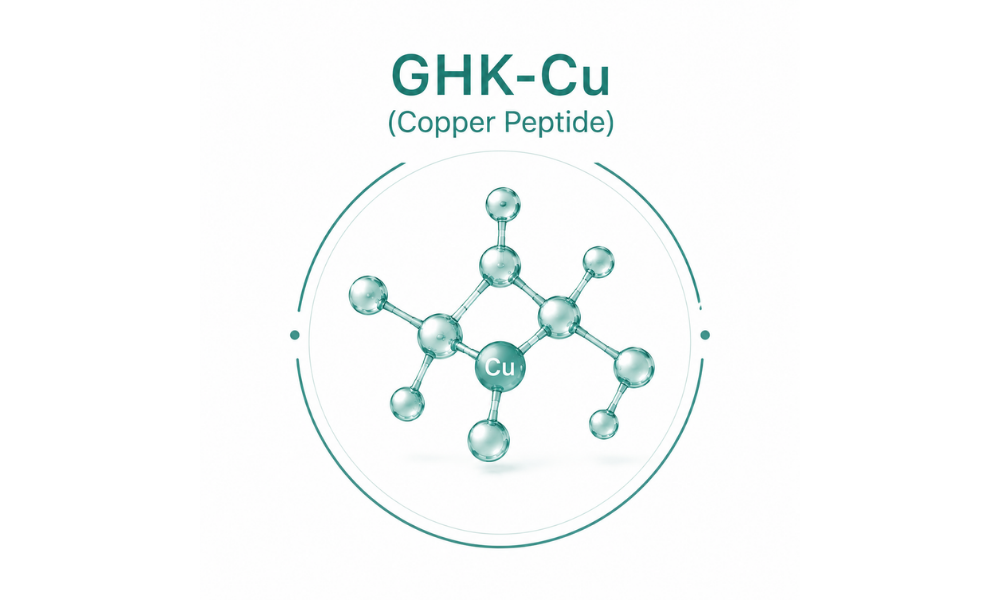
GHK-Cu (Copper Peptide)
GHK-Cu is a copper-binding peptide with well-documented effects on cellular signaling, collagen synthesis, and tissue remodeling. Research supports its role in skin integrity and wound healing. Dr. Ghiyam incorporates GHK-Cu both systemically and topically depending on the patient’s goals and clinical picture. [2]
GLOW Protocol
GLOW is MedPodLA’s physician-designed combination protocol built around peptides that address tissue repair, cellular regeneration, and systemic inflammation. The compounds involved work across complementary pathways, and the protocol is sequenced and dosed individually based on each patient’s labs and clinical picture, subject to what is currently available and clinically appropriate at the time of your evaluation.
GLOW Protocol
GLOW is MedPodLA’s physician-designed combination protocol built around peptides that address tissue repair, cellular regeneration, and systemic inflammation. The compounds involved work across complementary pathways, and the protocol is sequenced and dosed individually based on each patient’s labs and clinical picture, subject to what is currently available and clinically appropriate at the time of your evaluation.
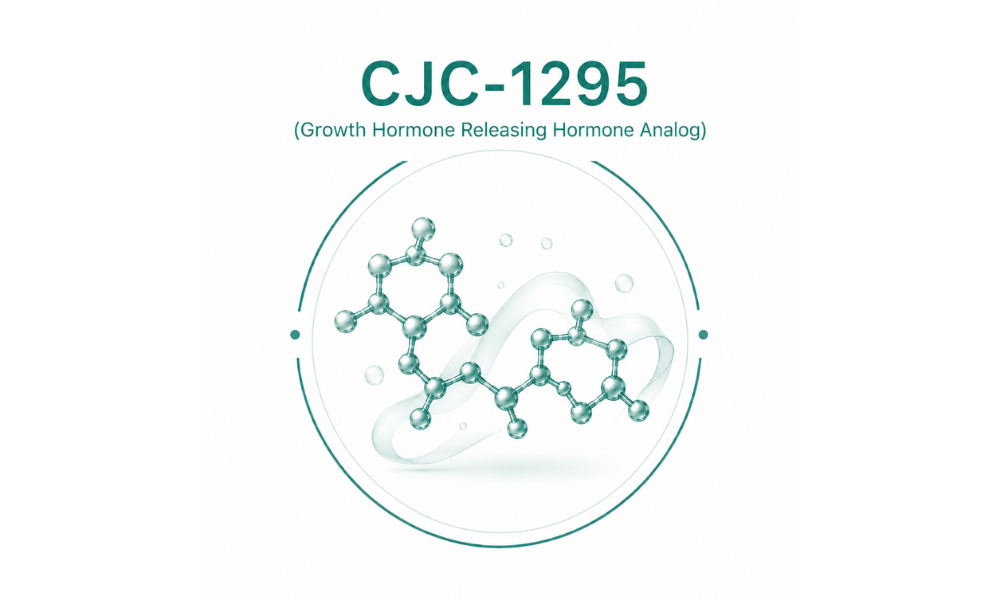
CJC-1295 and Ipamorelin
CJC-1295 and Ipamorelin are peptides that work on the growth hormone axis and are evaluated together when lab findings indicate that GH axis decline is a relevant clinical factor. Selection and dosing are determined by biomarkers, not by symptom pattern. [3, 4]
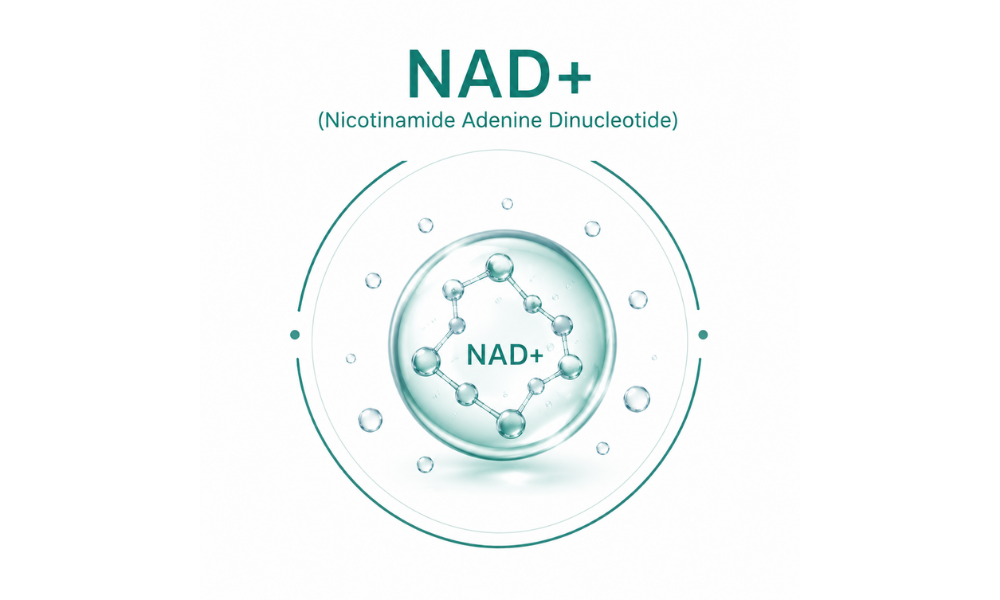
NAD+ (Nicotinamide Adenine Dinucleotide)
NAD+ is a coenzyme central to mitochondrial energy production and cellular repair. Levels decline significantly with age, and that decline has been linked to reduced cellular energy metabolism and DNA repair capacity. Dr. Ghiyam uses NAD+ therapy, delivered intravenously for direct bioavailability, in patients where mitochondrial function is a clinical priority. [5, 6]
The Regulatory Landscape, and why it matters
Peptide therapy exists in a complex and evolving regulatory environment. The FDA has moved to restrict or remove certain compounded peptides from the market, and that scrutiny is ongoing.
The regulatory environment around compounded peptides has become significantly more complex. Not every provider has kept pace with those changes. Dr. Ghiyam tracks the regulatory landscape as part of clinical practice, not as an afterthought.
At MedPodLA, Dr. Ghiyam prescribes only within the current legal and clinical framework and selects compounds based on the evidence. Comprehensive lab work and ongoing monitoring are what make a peptide protocol a clinical intervention rather than a guess.
Baseline labs before starting a peptide protocol and longitudinal monitoring throughout are not optional at MedPodLA. They are how Dr. Ghiyam knows the therapy is working and that your physiology is responding safely. If you are evaluating any provider for peptide therapy, those are reasonable questions to ask about their process.
How Dr. Ghiyam approaches peptide therapy
No protocol is built from a menu. Before any peptide is prescribed, Dr. Ghiyam reviews your full health history, current medications, and relevant biomarkers. The protocol that follows is built around what your biology actually shows, not a default stack for your symptoms.
Peptide selection, dosing, and sequencing are determined by the clinical picture. Protocols are adjusted over time based on lab findings and how you actually respond. When your biology changes, the protocol changes with it.
This is not a set-it-and-forget-it prescription. It is an ongoing clinical relationship.
Who this is right for
Most patients who come to MedPodLA for peptide therapy have one thing in common: their standard labs came back normal, and they still feel like something is wrong. Fatigue that doesn’t resolve with sleep. Recovery that takes longer than it should. Cognitive performance that has quietly declined. Body composition that stopped responding to the inputs that used to work.
When it is clinically indicated, the protocol is built to address the underlying biology, not the symptom list.
"I'm well into my 50s, yet I feel more energetic, vibrant, and capable than I have in years. Thanks to Dr. Ghiyam and the team, aging feels less like an inevitability and more like something that can be optimized."
"I've had an amazing experience with MedPodLA. The level of attention and care feels completely different from any other medical practice, and everything is explained in a way that actually makes sense. I feel better, more energized, and genuinely supported."
The experiences described reflect individual patient results. Outcomes vary based on individual health history, goals, and adherence to recommended protocols. Nothing here constitutes medical advice or a guarantee of results.
A Note on Timelines
Response to peptide therapy varies by patient, by compound, and by the underlying biology being addressed. Some patients notice changes in sleep quality and recovery within the first few weeks. More significant shifts in body composition and sustained energy typically take longer and depend heavily on the full protocol, not the peptide alone.
Dr. Ghiyam does not promise timelines. He tracks biomarkers, monitors your response, and adjusts accordingly. That is what clinical oversight actually looks like.
Access and Pricing
MedPodLA operates on a direct-pay model. Peptide protocols are prescribed and managed as part of a MedPodLA membership, and all associated costs, including consultation, lab work, and compounds, are discussed transparently before your protocol begins. There are no hidden fees and no templated packages. What you pay for is a physician who knows your biology and builds around it.
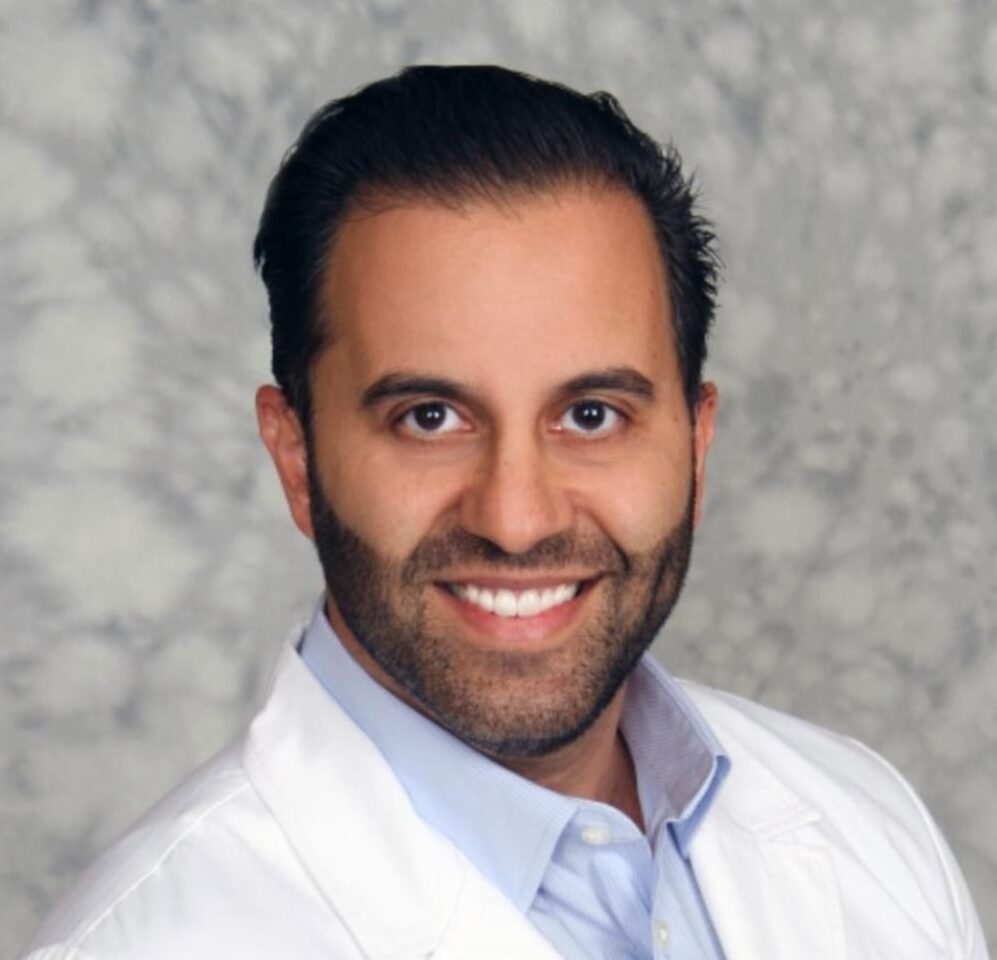
Dr. Ghiyam is a board-certified family physician with postgraduate coursework in longevity medicine, practicing at MedPodLA’s Beverly Hills clinic and via telemedicine across California and Nevada. He completed his medical degree at Ross University School of Medicine and his residency at North Oakland Medical Center in Michigan, and has since focused his clinical practice on precision medicine, hormonal optimization, and cellular health. His work and perspectives have been featured across national publications and media.
See Dr. Ghiyam’s full clinical background and publications here.
California Medical License: A 75370 | Medical Board of California
Book A Consultation
If you are considering peptide therapy, the right first step is a conversation with a physician who will look at your full picture before recommending anything.
Not your symptom list. Your biology.
Dr. Ghiyam sees a limited number of new patients each month. If you are ready to find out whether peptide therapy is clinically appropriate for you, start here.
Clinical References
[1] Khavinson V, et al. Peptide Regulation of Aging. Frontiers in Endocrinology, 2020.
[2] Pickart L, Margolina A. Regenerative and Protective Actions of the GHK-Cu Peptide in the Light of the New Gene Data. International Journal of Molecular Sciences, 2018. PubMed ID: 30081539.
[3] Teichman SL, et al. Prolonged stimulation of growth hormone secretion by CJC-1295 in healthy adults. Journal of Clinical Endocrinology and Metabolism, 2006. PubMed ID: 16822960.
[4] Sigalos JT, Pastuszak AW. The Safety and Efficacy of Growth Hormone Secretagogues. Sexual Medicine Reviews, 2018. PubMed ID: 28700896.
[5] Yoshino J, et al. NAD+ intermediates: the biology and therapeutic potential of NMN and NR. Cell Metabolism, 2018. PubMed ID: 29249689.
[6] Rajman L, Chwalek K, Sinclair DA. Therapeutic Potential of NAD-Boosting Molecules: The In Vivo Evidence. Cell Metabolism, 2018. PubMed ID: 29514063.
Last reviewed by Dr. Daniel Ghiyam, MD — June 2026
FAQ's
Are the peptides used at MedPodLA FDA-approved or compounded?
MedPodLA uses clinically prescribed peptides sourced from licensed compounding pharmacies, customized to meet each patient’s specific health needs. Dr. Daniel Ghiyam, MD carefully selects the most appropriate and highest-quality peptides based on your lab results, health history, and wellness goals to ensure safe and effective treatment.
What lab work is required before starting peptide therapy?
Before beginning peptide therapy at MedPodLA, a comprehensive lab panel is required to establish a clear picture of your current health status. This typically includes hormone levels, metabolic markers, inflammatory indicators, and other relevant biomarkers. Your results are then used to design a precise, data-driven peptide therapy protocol — ensuring your treatment is built on your biology, not a generic symptom checklist.
How does MedPodLA's approach differ from other peptide providers in Los Angeles?
Unlike many peptide providers that offer templated or one-size-fits-all packages, MedPodLA takes a fully individualized approach. Dr. Daniel Ghiyam, MD designs each protocol based on your actual lab data, health history, and personal wellness objectives. MedPodLA operates on a direct-pay model, meaning there are no insurance-driven limitations or pre-packaged treatment plans — just personalized, physician-led care focused entirely on your long-term health outcomes.
What does a peptide therapy membership at MedPodLA include, and what does it cost?
MedPodLA’s peptide therapy membership is structured to provide comprehensive, ongoing support throughout your treatment journey. Membership typically includes an initial consultation, full lab work review, a customized peptide protocol, follow-up evaluations, and direct access to your care team. New patient onboarding starts at $500, which covers your Precision Intake — a full health history review, advanced biomarker analysis, and a personalized protocol built around your labs and goals. Since MedPodLA operates on a direct-pay basis, there are no hidden fees or insurance complications. Ongoing membership pricing is discussed during your intake based on the level of care and access that best fits your needs.
Can peptide therapy be done via telemedicine in California or Nevada?
Yes, MedPodLA offers telemedicine consultations for patients located in California and Nevada. Through virtual appointments, Dr. Daniel Ghiyam, MD can review your lab work, discuss your health goals, and design a personalized peptide therapy protocol — all from the comfort of your home. Peptides can then be shipped directly to you through a licensed compounding pharmacy, making it convenient to access precision wellness care without the need for an in-person visit.